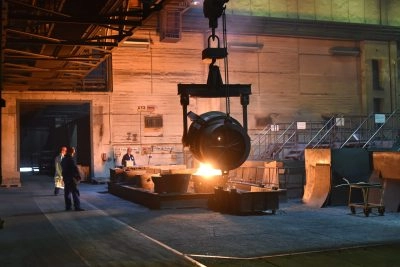
- CQI-9 (Continuous Quality Improvement – Heat Treat System Assessment) is a standard developed by the Automotive Industry Action Group (AIAG) to assess and improve heat treatment systems in the automotive industry.
- In accordance with IATF16949, in order to comply with ‘specific customer requirements’, this standard applies to all suppliers in the automotive sector that implement heat treatment processes. The CQI-09 assessment aims to reduce the risk of failure associated with heat treatment processes, ensure the reliability and performance of treated parts used in vehicles, and guarantee compliance with the quality, safety and performance requirements expected by automotive manufacturers.
- This standard is part of a continuous improvement process for the quality of special processes and provides a structured framework for self-assessment of heat treatment process control, equipment compliance, staff competence and the effectiveness of the controls in place.
- You want to familiarise yourself with the requirements and best practices of CQI-9, the self-assessment rules, to implement improvement actions to guarantee the quality and reliability of heat-treated parts.
- Duration 1 day
- Validation TRIGO Training certificate
- Training type Classroom
-
Delivery methodOn site
Remote session -
Session type
Open sessions / Public seminars
Dedicated /In-company session -
Number of participants
3 p. min
9 p. max (on site)
9 p. max (remote) - Languages Training materials: English / French - Trainers: 25+ spoken languages by TRIGO trainers all over the world
Description
- Understand the customer-specific requirements related to CQI-9
- Gain familiarity with the CQI-9 manual, including self-assessment tables, job audits, and related tools
- Identify the key elements of the manual and the gaps to be addressed to ensure compliance
- Learn how to apply the CQI-9 self-assessment criteria through a technical case study
- Develop an action plan to implement the CQI-9 manual
- Professionals involved in the development, implementation, or evaluation of special processes
- Internal auditors and suppliers
- The training combines theoretical sessions covering CQI-9 manual requirements with practical exercises and a technical case study.
Knowledge test (multiple-choice questions)
Participant’s file containing the theoretical principles outlined during the training and exercise materials.
Training:
Consulting service: TRIGO can assist you with the practical implementation in your company. Contact us to find out more.
- Have a PC with a microphone, a webcam and, if possible, a headset for greater comfort. Note: background screens are available on Zoom or Teams to blur or hide the rear view.
- Have a good Internet connection, to be tested before the session.
- Be installed in a quiet, isolated place ; set yourself to “unavailable” status on Teams ; close your email access, and mute your phone, so as not to be disturbed during the session.
- Participants from the same organization should not be grouped together in the same room, but each at his/ her own desk, to avoid any side discussions during the session. Virtual sub-groups will be specially created for the exercises, which will also enable mixed groups.
- Remote qualification/certification exams must be taken with camera and microphone open. We may also need to check that you are alone in the room.
- Please connect 5 minutes before the start of the session.
Prerequisites
- Possess the latest edition of the CQI-9 manual as well as the Assessment Workbook (Excel file)
- Have a general understanding of manufacturing or welding processes
Required equipment: Personal Computer + reliable internet connection
Program
- Section 1: System requirements.
- Section 2: Process requirements.
- Pyrometry: Requirements for controlling, monitoring and recording temperatures in furnaces.
- Section 3: Equipment.
- Process table: Case study.
- Section 4: Job Audit.